
Heel Pain Treatment
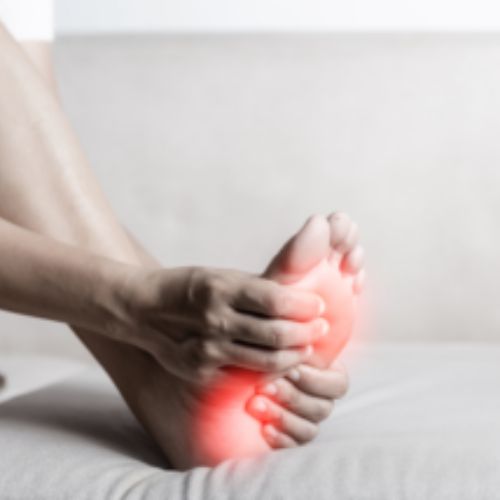
Heel Pain: Causes, Symptoms & Natural Relief Options
What is Heel Pain?
Heel pain is a common complaint that can significantly affect your daily movement. Whether you’re an athlete, a working professional, or a homemaker, persistent heel pain can lower your quality of life. Thankfully, gentle and effective solutions are available.
Heel pain is affecting approximately 10% of the population at some point in their lives. It typically manifests on the underside or back of the heel.
Symptoms of Heel Pain:
- Pain can occur on the back or underside of the heel, with or without morning stiffness.
- Pain is often most intense upon taking the first few steps after waking up. It tends to lessen as activity increases.
- Pain while walking, running, or even at rest.
- Increased pain upon touching the affected area.
- Swelling in the heel.
- Sharp, stabbing pain, as if a nail is embedded in the heel.
Major Causes of Heel Pain
- Plantar Fasciitis: This occurs when excessive pressure damages the plantar fascia, the ligament extending from the heel to the toes. This leads to inflammation, pain, and stiffness, often exacerbated after periods of rest.
- Achilles Tendinitis: Inflammation or irritation of the Achilles tendon, which connects the calf muscles to the heel bone. Overuse and injuries are common causes.
- Heel Spurs (Calcaneal Spurs): These are bony growths on the heel bone, resulting from calcium deposits between the heel and arch. They can occur independently or alongside plantar fasciitis.
- Gout: This condition involves the buildup of uric acid crystals in joints, causing inflammation and severe pain, which can affect the heel.
- Sprains and Strains: Injuries to the ligaments and muscles surrounding the heel can cause varying degrees of pain.
Less Common Causes of Heel Pain:
- Fractures
- Arthritis
- Tarsal Tunnel Syndrome
- Heel Bone Tumors or
- Infections
- Heel Pad Syndrome
Precautions & Self-Care Tips
- Modify Activities: Listen to your body and avoid high-impact activities like running, jogging, and jumping that aggravate your heel pain. Opt for low-impact exercises such as swimming or cycling.
- Take Regular Breaks: If your work or daily activities involve prolonged standing, make sure to take frequent breaks to sit down and rest your feet.
- Wear Supportive Footwear: Choose well-cushioned shoes with good arch support. Avoid high heels and very flat shoes. Replace athletic shoes regularly as their cushioning wears out.
- Maintain a Healthy Weight: Excess weight puts additional pressure on your heels. Losing even a small amount of weight can make a significant difference.
- Rest: Allow your feet adequate rest, especially during periods of acute pain.
- Ice Packs: Apply ice packs wrapped in a cloth to the affected heel for 15-20 minutes several times a day to reduce inflammation and pain.
- Stretching Exercises: Gently stretch your calf muscles and plantar fascia several times a day. Simple exercises include calf stretches against a wall and plantar fascia stretches by pulling your toes towards your shin.
Complementary and Alternative Therapies:
- Neurotherapy: This drugless approach focuses on stimulating specific energy centers in the body to promote healing.
- Marma Chikitsa: An Ayurvedic therapy that targets vital energy points (marmas) to restore balance and alleviate pain.
- Auriculotherapy: This technique involves stimulating points on the ear, believed to correspond to different parts of the body.
Daily Habits for a Healthier Heel
- Stretch Your Feet and Calves: Do gentle stretching exercises every morning and evening to improve flexibility and reduce tension in the plantar fascia and Achilles tendon.
- Massage and Soak Feet: Massage heels with warm castor or sesame oil, and soak feet in warm water with Epsom salt 2–3 times a week to reduce inflammation.
- Use Heel Cushions or Insoles: Add soft, shock-absorbing insoles to your shoes for daily use, especially if you stand or walk for long periods.
- Hydration and Anti-Inflammatory Diet: Drink plenty of water and include anti-inflammatory foods like ginger, turmeric, and fresh fruits to support natural healing.
When to Seek Medical Help for Heel Pain
- Persistent Pain: Pain lasting more than one week, even after rest, stretching, and home remedies.
- Severe or Sudden Pain: A sharp, stabbing pain that appears suddenly or worsens quickly.
- Pain That Affects Mobility: If heel pain makes it difficult to walk, stand, or perform daily activities, don’t delay treatment.
- Swelling or Bruising: Visible swelling, redness, or bruising around the heel could indicate a serious injury or inflammation.
- Morning Stiffness That Doesn’t Improve: Pain that remains intense in the morning or worsens after rest may be a sign of plantar fasciitis or heel spurs.
- Numbness, Tingling, or Burning Sensations: These may signal nerve involvement or conditions like tarsal tunnel syndrome.
- No Improvement with Home Treatment: If home remedies, stretching, or over-the-counter solutions offer no relief in 7–10 days, it’s time to consult a specialist.
Homeopathy: A Gentle Path to Heel Pain Relief
At Dr.A K Patidar Clinic in Indore, Madhya Pradesh, we offer a holistic and individualized approach to managing heel pain using the principles of homeopathy. We understand that heel pain can stem from various underlying factors, and our treatment aims to address these root causes gently and effectively.
Our experienced homeopathic practitioners will conduct a thorough consultation to understand your specific heel pain symptoms, their triggers, your overall health, and lifestyle. This detailed assessment allows us to prescribe the most appropriate homeopathic remedies tailored to your unique needs.
Benefits of Choosing Homeopathy for Your Heel Pain
Our Holistic Approach
- Individualized Remedies: We select remedies based on your specific symptom presentation, the nature of your pain, and your overall constitution.
- Addresses the Root Cause: Homeopathy aims to address the underlying imbalances contributing to your heel pain, not just masking the symptoms.
- Gentle and Safe: Homeopathic medicines are derived from natural sources and are generally safe with minimal side effects when prescribed correctly.
- Holistic Healing: We consider the interconnectedness of your physical, mental, and emotional well-being in your healing journey.
- Potential for Long-Term Relief: By addressing the root cause, homeopathy can offer lasting relief from heel pain.
Potential Homeopathic Remedies for Heel Pain
(Disclaimer: This is for informational purposes only and should not be taken as medical advice. A qualified homeopath should prescribe remedies.)
- Ruta Graveolens: Often indicated for pain in tendons and ligaments, useful for injuries and sprains affecting the heel.
- Arnica Montana: May be helpful for pain and bruising following injury or overuse.
- Calcarea Fluorica: Can be considered for heel spurs and bony growths.
- Ledum Palustre: May be indicated for pain that is better with cold applications and worse with warmth.
- Rhus Toxicodendron: Useful for pain and stiffness that is worse with initial movement but improves with gentle, continued motion.
- Symphytum Officinale: Traditionally used for bone injuries and may help with heel pain related to bone issues.
Why Choose Dr A.K Patidar Clinic for Homeopathic Treatment of Heel Pain
- Experienced Homeopathic Practitioners: Our team has the expertise to effectively address various types of Heel pain using homeopathic principles.
- Personalized Treatment Plans: We are committed to creating individualized treatment strategies that cater to your unique needs.
- Focus on Holistic Healing: We aim to address the root cause of your pain and promote overall well-being.
- Safe and Gentle Solutions: Homeopathy offers a non-invasive and natural approach to pain management.
- Located in Indore, Madhya Pradesh: We are your local resource for quality homeopathic care for Heel pain.
What Our Patients Say About Homeopathy for Heel Pain
Frequently Asked Questions (FAQs)
- Diagnosis usually involves: Physical examination: A doctor will examine your foot and ask about your symptoms and medical history.
- Imaging tests: X-rays may be taken to rule out fractures or identify heel spurs. 2 In some cases, MRI or ultrasound may be used to visualize soft tissues like the plantar fascia or Achilles tendon.
- Nerve conduction studies: May be performed if nerve entrapment is suspected
Start Your Journey to a Pain-Free Heel
Contact Us

Mahalaxmi Nagar Clinic - Indore
Monday & Thursday
Dr. A.K. Patidar
Mahalaxmi Nagar, Indore
Morning: 10:00 AM - 12:00 PM
Evening: 6:00 PM - 8:00 PM
📍 Map Location | 🗺️ Google Maps
Ujjain Clinic
Tuesday
Dr. A.K. Patidar
Ujjain
Noon: 12:00 PM - 2:00 PM
📍 Map Location | 🗺️ Google Maps
Sapna Sangeeta Clinic - Indore
Sunday
Dr. A.K. Patidar Clinic
and Neurotherapy Centre
Indore
Morning: 11:00 AM - 1:00 PM
📍 Map Location | 🗺️ Google Maps
Schedule an Appointment
- +91 95828 86947
- ashokpatidar1000@gmail.com
- 486 MR-1 Opposite to Sun City, Mahalaxmi Nagar, Indore, Madhya Pradesh